
Sponsors
11 Republican
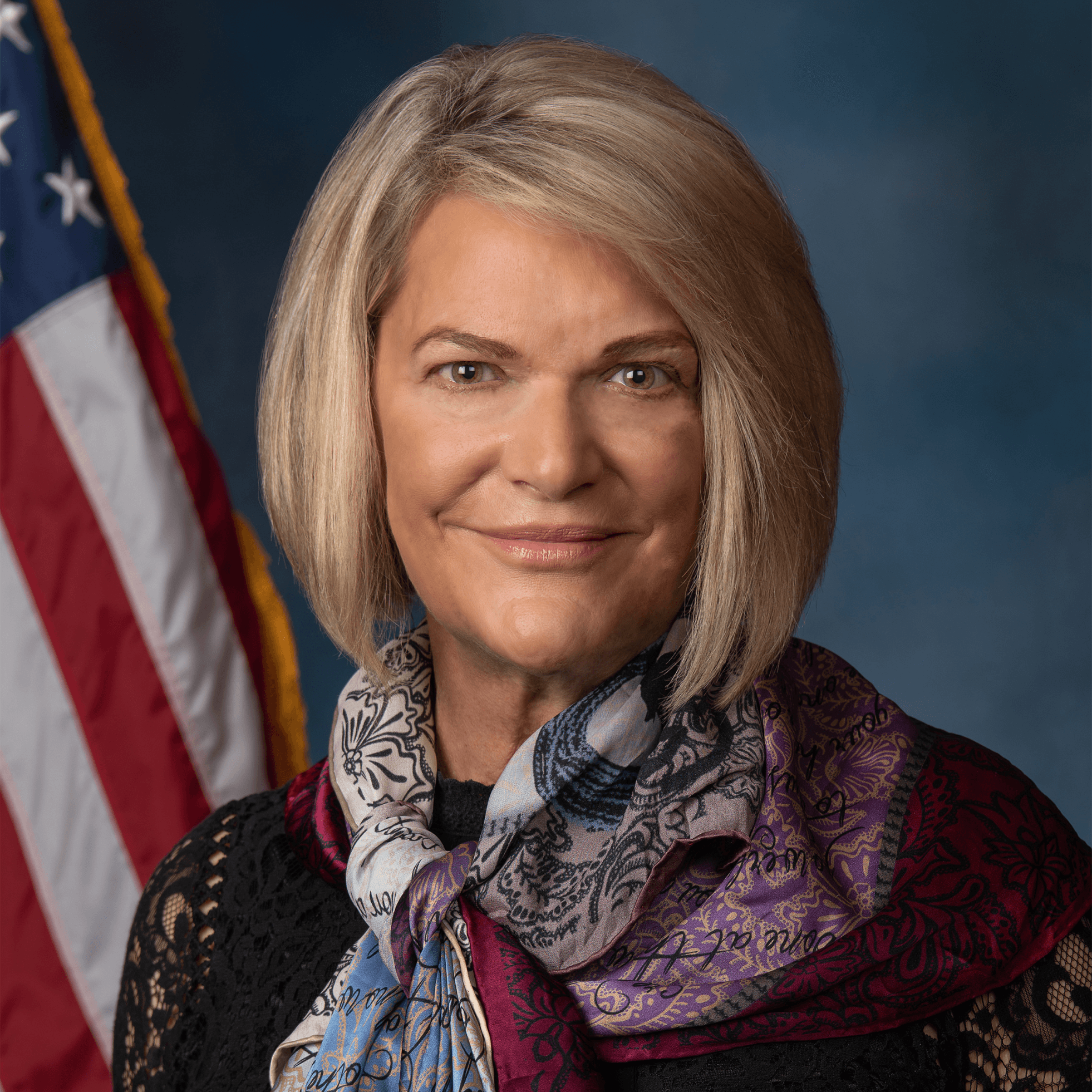 Cynthia LummisSenator · WY
The Blockchain Regulatory Certainty Act of 2026 aims to clarify the regulatory treatment of certain non-controlling developers or providers of distributed ledger services involved in digital assets. Specifically, it exempts those who do not have the unilateral ability to control or effectuate transactions from being treated as money transmitting businesses under federal law. This includes activities like creating software, providing maintenance, facilitating self-custody, or offering infrastructure support for distributed ledgers, ensuring they are not subject to similar registration requirements.

This legislation represents a significant step forward for the crypto industry, providing much-needed regulatory clarity for foundational activities within the blockchain ecosystem. By explicitly defining and exempting "non-controlling developers or providers" from burdensome money transmission laws, the bill addresses a critical ambiguity that has stifled innovation and created uncertainty for software developers and infrastructure providers. This clarity fosters an environment where builders can focus on developing and maintaining decentralized technologies without the threat of being inadvertently classified as financial intermediaries.
The bill's proactive approach in distinguishing between actual money transmission and the provision of underlying technology or software is highly commendable. It correctly identifies that simply creating or publishing code, offering maintenance, enabling self-custody, or providing infrastructure support should not trigger the same regulatory obligations as a centralized financial service. This distinction is crucial for the health and growth of truly decentralized systems and prevents regulatory overreach that could stifle the development of future blockchain innovations. Such clear "rules of the road" are exactly what the industry needs to thrive, attracting talent and investment by reducing regulatory friction for core technological contributions to the distributed ledger space.
Every member who has sponsored, cosponsored or voted on this bill. Pick a vote to see how each member voted on it, or narrow by party, name or state.
1 Republican
1 Democrat
