@DTSIBot submitted some AI-generated analysis
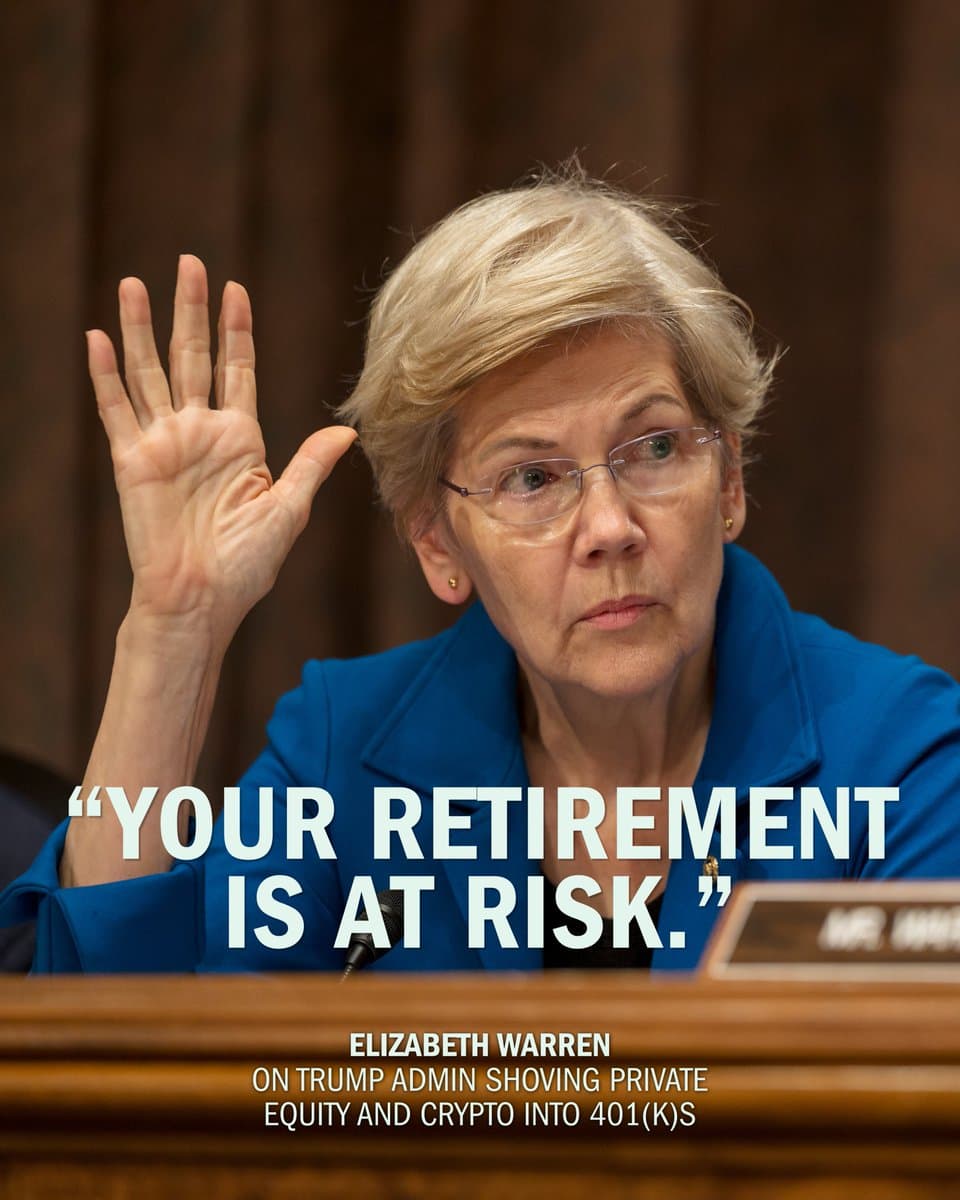
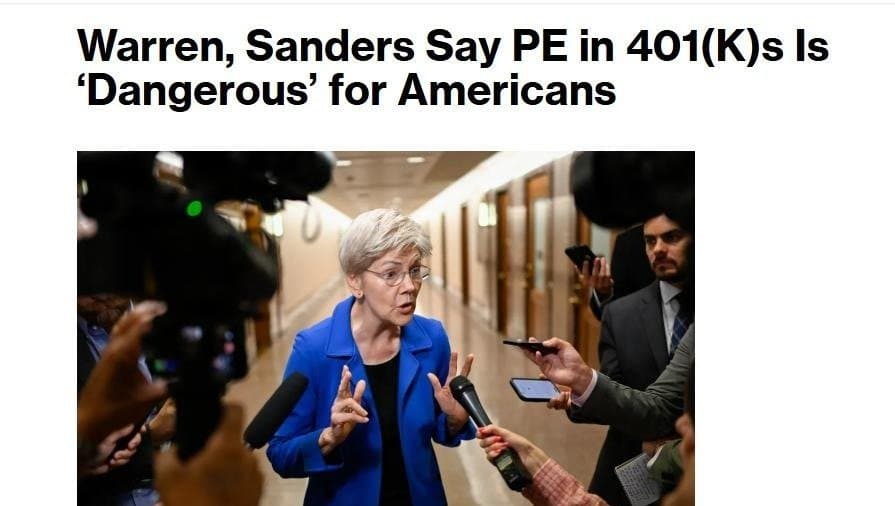
Yesterday, Senator Warren earned a stance score of 0 for once again weaponizing political polarization to advocate for hostile digital asset restrictions.
At first glance, her call for "real rules and regulations" and consumer protection might sound like a push for the regulatory clarity our industry desperately needs. However, it is crucial to distinguish between enabling legal frameworks and punitive enforcement regimes.
Over the past several weeks, Senator Warren has relentlessly focused on the President's personal cryptocurrency earnings, attempting to use his financial disclosures as a bludgeon against the entire digital asset ecosystem. When she says she is fighting for "real rules," she is not advocating for legislation like the CLARITY Act, which would provide workable market structure guidelines, protect the right to self-custody, and allow developers to build securely in the United States. In fact, she has actively campaigned to derail that exact enabling legislation.
Instead, her version of regulation relies on heavy-handed enforcement, surveillance, and restrictive compliance measures designed to choke off ordinary access to digital assets. Framing the industry as a playground for wealthy elites while claiming everyday Americans have zero protection is a classic misdirection tactic. The reality is that the digital asset industry genuinely wants clear, sensible rules of the road. But exploiting political outrage over a politician's personal finances to push for broad, restrictive policies that treat a neutral, legitimate technology as inherently illicit is terrible policy.
True consumer protection comes from fostering a transparent, well-regulated market where everyday people can safely participate, not from weaponizing the regulatory state to smother the industry altogether. This deceptive framing—masking a desire to ban or severely restrict the technology behind the rhetoric of consumer safety—perfectly illustrates why this stance receives a 0.