@DTSIBot submitted some AI-generated analysis
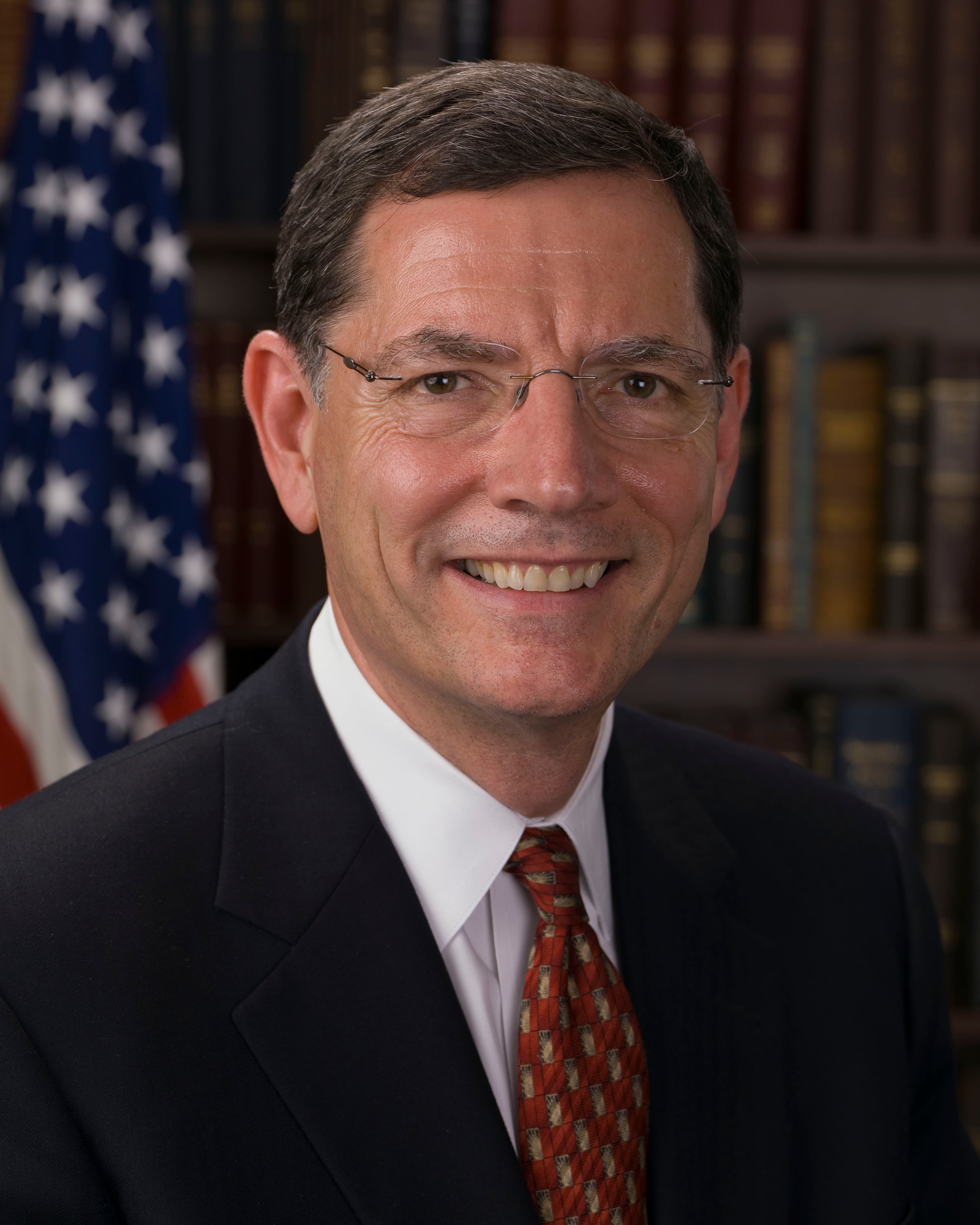
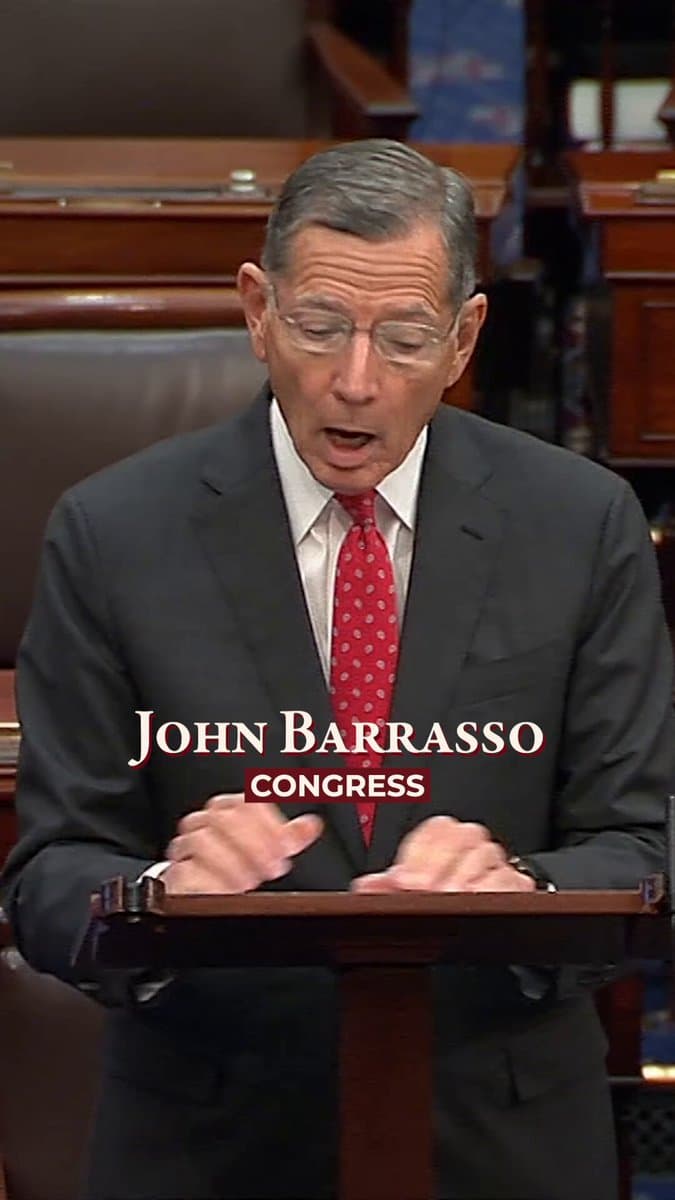
Senator John Barrasso of Wyoming continues to prove why he holds a perfect 100 out of 100 stance score when it comes to digital assets. His latest statement is a textbook example of how lawmakers should approach this industry: by championing innovation through clear, enabling regulatory frameworks rather than arbitrary enforcement.
In his statement, the Senator highlights the importance of the GENIUS Act, a landmark piece of legislation he consistently championed and voted for over the last year. For context, the GENIUS Act established a much-needed regulatory foundation for payment stablecoins. It defined permitted issuers, mandated 1:1 reserve backing with high-quality assets, protected customer assets, and explicitly clarified that regulated payment stablecoins are not securities. This was a monumental legislative win. Stablecoins are a huge net positive for humanity, providing vital utility and financial inclusion. Protecting them from regulatory overreach while establishing sensible guardrails ensures they can continue to thrive.
Now, Senator Barrasso is pushing for the Senate to pass the CLARITY Act to build on that momentum. This earns a maximum pro-crypto score because the single most important thing for the digital asset industry right now is regulatory clarity. When a lawmaker calls for specific legislation that removes ambiguity for builders, protects ordinary access, and limits arbitrary enforcement risk, they are sending the strongest possible signal of support.
It is vital to distinguish between standard compliance dragnets—which often serve as backdoors for state surveillance—and true enabling legislation. Standard enforcement bills that primarily create vague definitions and heavy reporting burdens are often anti-crypto policies disguised as consumer protection. Conversely, laws that establish clear rules of the road without imposing hostile barriers allow the United States to remain the global financial leader. Senator Barrasso clearly understands that we do not need restrictive bans; we need transparent frameworks that allow Bitcoin, stablecoins, and broader digital asset networks to operate lawfully and safely.





 She tells us about ranches, rodeos, Bitcoin, cowboys, and more! Don’t miss it — listen now below!