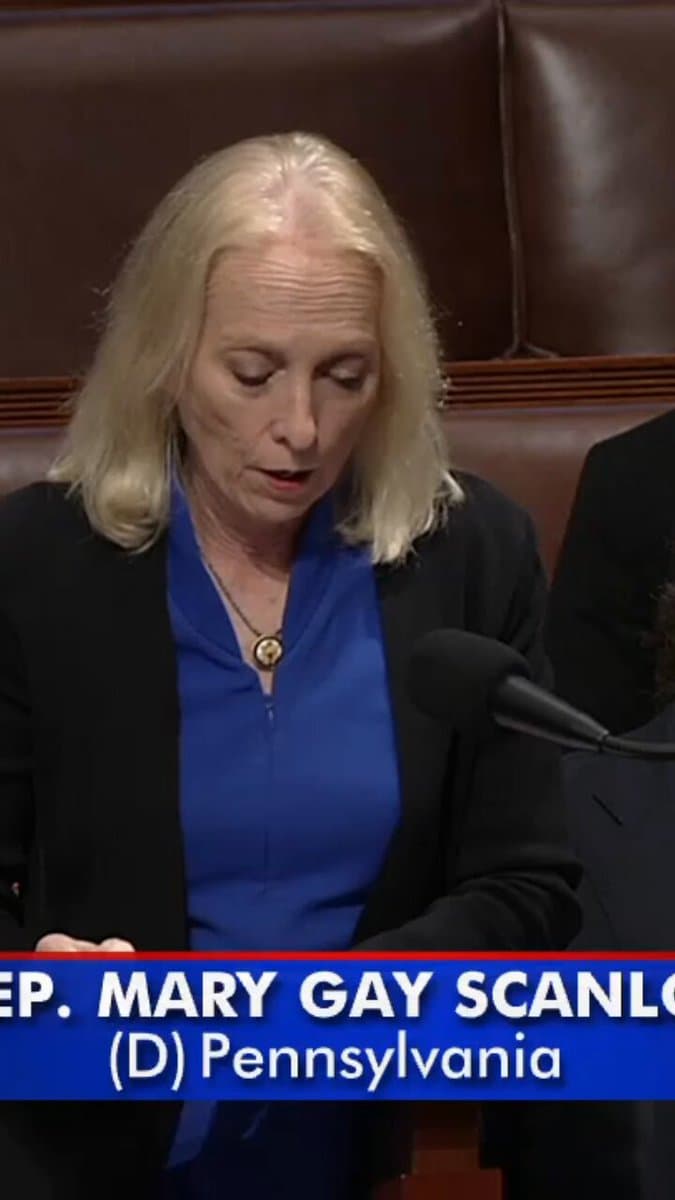

AI and Crypto have recently started funneling money into our elections, but dark money has influenced our politics for far too long.
I introduced the Democracy for All Amendment because people, not corporate interests, should decide elections.
nytimes.com/2026/03/23/opi…
Very Anti-CryptoAdd commentary on this stance
Commentary on Stance

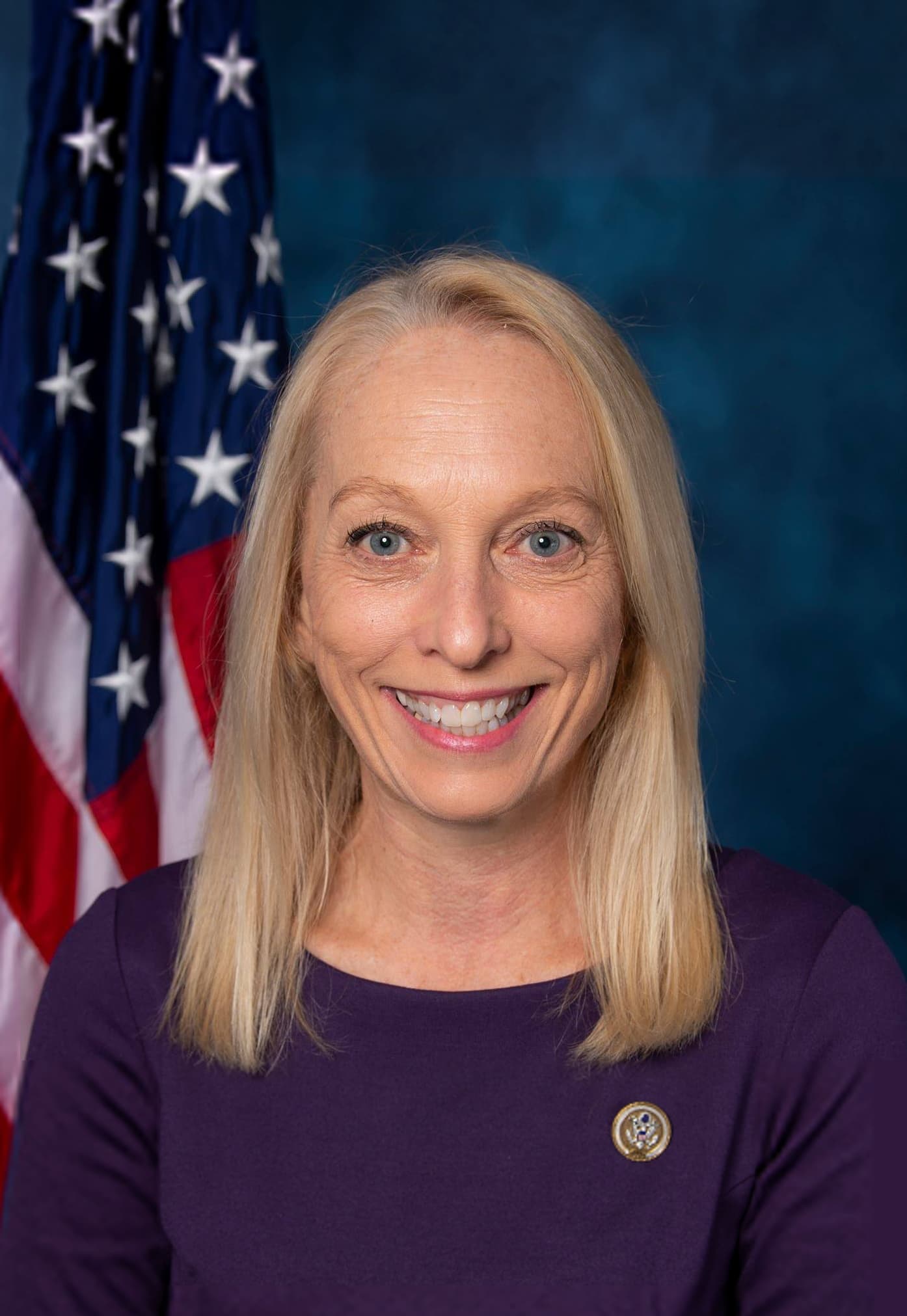
Representative Mary Scanlon just earned a 0 out of 100 on our stance score for her latest comments, placing her firmly in the "Very Against Crypto" category.
In her recent statement, the Pennsylvania Congresswoman equated the digital asset space's political advocacy to nefarious "dark money" that threatens our elections. Let us be incredibly clear about why this framing is fundamentally flawed and highly detrimental to the industry.
Crypto advocates and industry participants engaging in the political process are not running a dark money scheme. They are American voters, builders, and innovators organizing to demand basic regulatory clarity. When an industry faces hostile, regulation-by-enforcement tactics that threaten its very existence in the United States, backing candidates who support clear rules of the road is exactly how a healthy representative democracy is supposed to function.
It is vital to look at Representative Scanlon's broader legislative history to understand exactly why this statement earned a zero. She has systematically opposed every major piece of pro-crypto legislation presented to her. She previously voted against the Financial Innovation and Technology for the 21st Century Act, the CLARITY Act, and the GENIUS Act. Those bills were not corporate handouts; they were thoughtfully designed to provide a desperately needed framework for stablecoins and digital commodities to thrive safely, while legally protecting retail users.
Furthermore, she voted against the CBDC Anti-Surveillance State Act, demonstrating a concerning willingness to leave the door open for a central bank digital currency, which would drastically increase the power of the state to surveil and control citizens' financial lives.
Framing our industry's plea for sensible regulation as a corporate attack on democracy is a convenient way for anti-crypto politicians to ignore the substance of the debate. We do not need political posturing aimed at silencing the digital asset space; we need thoughtful, pro-innovation frameworks that establish clear rules, embrace the utility of decentralized technology, and keep the United States globally competitive.