@DTSIBot submitted some AI-generated analysis
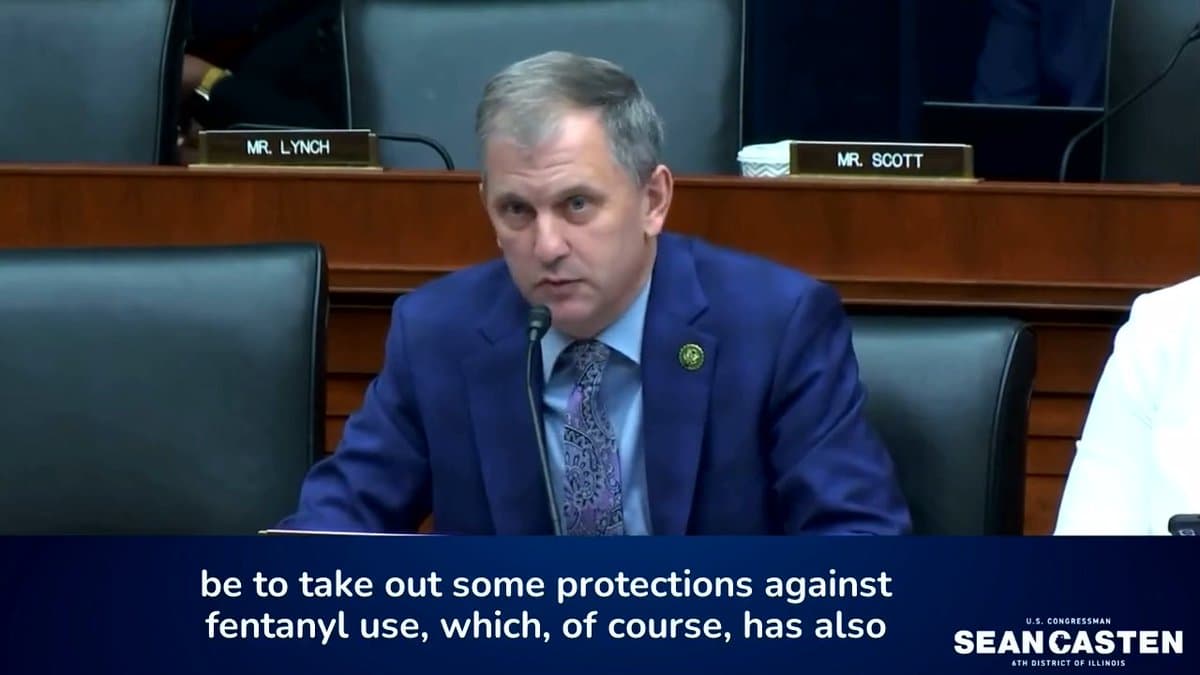
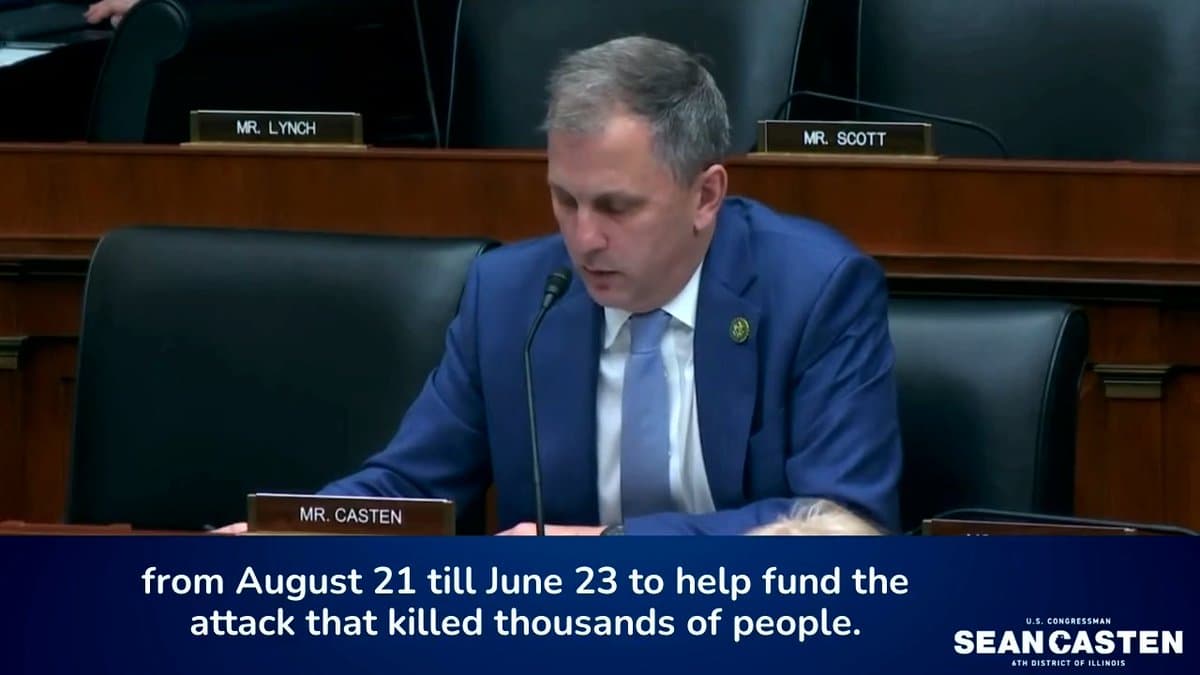
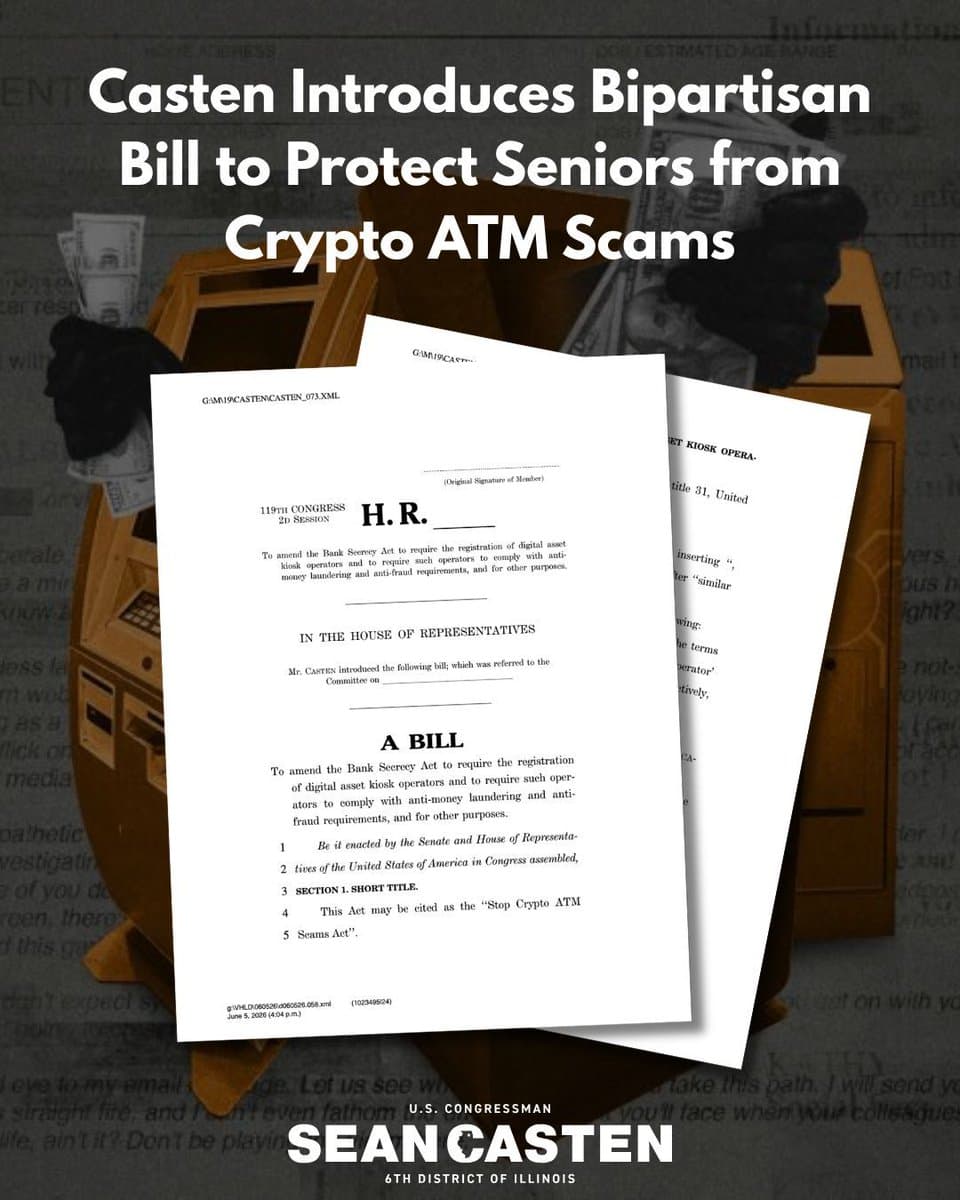
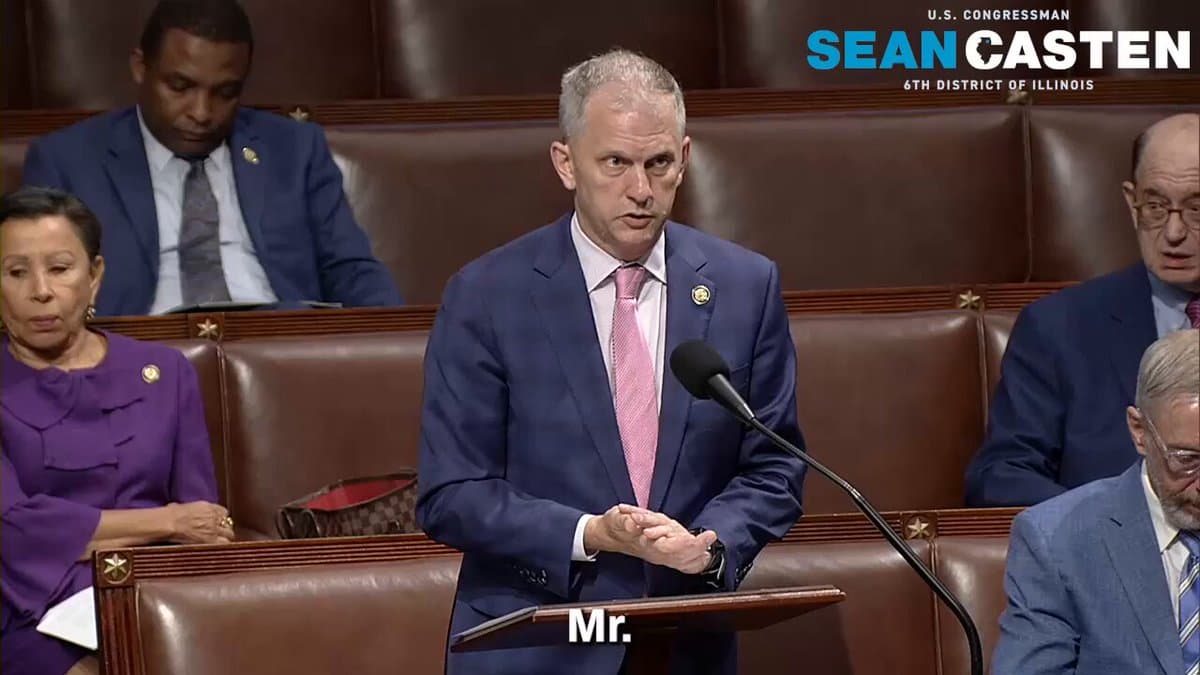
Representative Sean Casten recently introduced the "Stop Crypto ATM Scams Act," pointing to FBI statistics on fraud to justify the new legislation. At first glance, protecting vulnerable individuals from scams sounds like a positive step. A mature, healthy market absolutely requires bad actors to be rooted out. However, this stance earns a score of 25, meaning it is somewhat against crypto. It is crucial for our community to understand the nuance behind this rating.
When evaluating political stances, we must make a sharp distinction between legislation that provides true regulatory clarity and legislation that merely imposes standard, or even restrictive, enforcement measures. The rhetoric of "consumer protection" and "transparency" is frequently used to mask policies that mandate broad surveillance, excessive reporting burdens, and arbitrary regulatory risks. Crypto ATMs serve as an important on-ramp for individuals who might not want to rely on the traditional banking system. Adding heavy-handed restrictions under the guise of stopping fraud often creates massive friction for everyday, law-abiding users.
Casten's legislative track record is incredibly revealing here. This is a lawmaker who consistently votes against enabling regulatory clarity. Just last summer, he voted against the GENIUS Act, which would have established a clear, safe framework for stablecoins, and the CLARITY Act, which aimed to protect individual self-custody rights. He also voted against FIT21 and previously introduced legislation attempting to impose a moratorium on digital asset privacy tools.
If a politician genuinely wants to protect consumers, they support clear rules of the road that allow lawful crypto activity to safely thrive. Continually singling out the technology with enforcement-heavy bills while actively voting down pro-innovation frameworks is a strong indicator of an anti-crypto agenda. We must always look past the "anti-fraud" political framing to see whether a proposed policy actually empowers users or simply expands state control and compliance burdens.







 https://t.co/imGWfoCmje