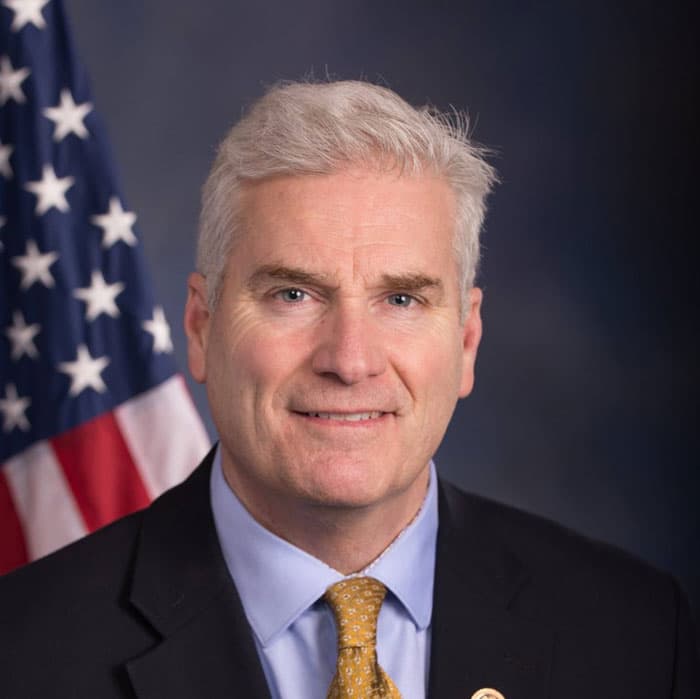

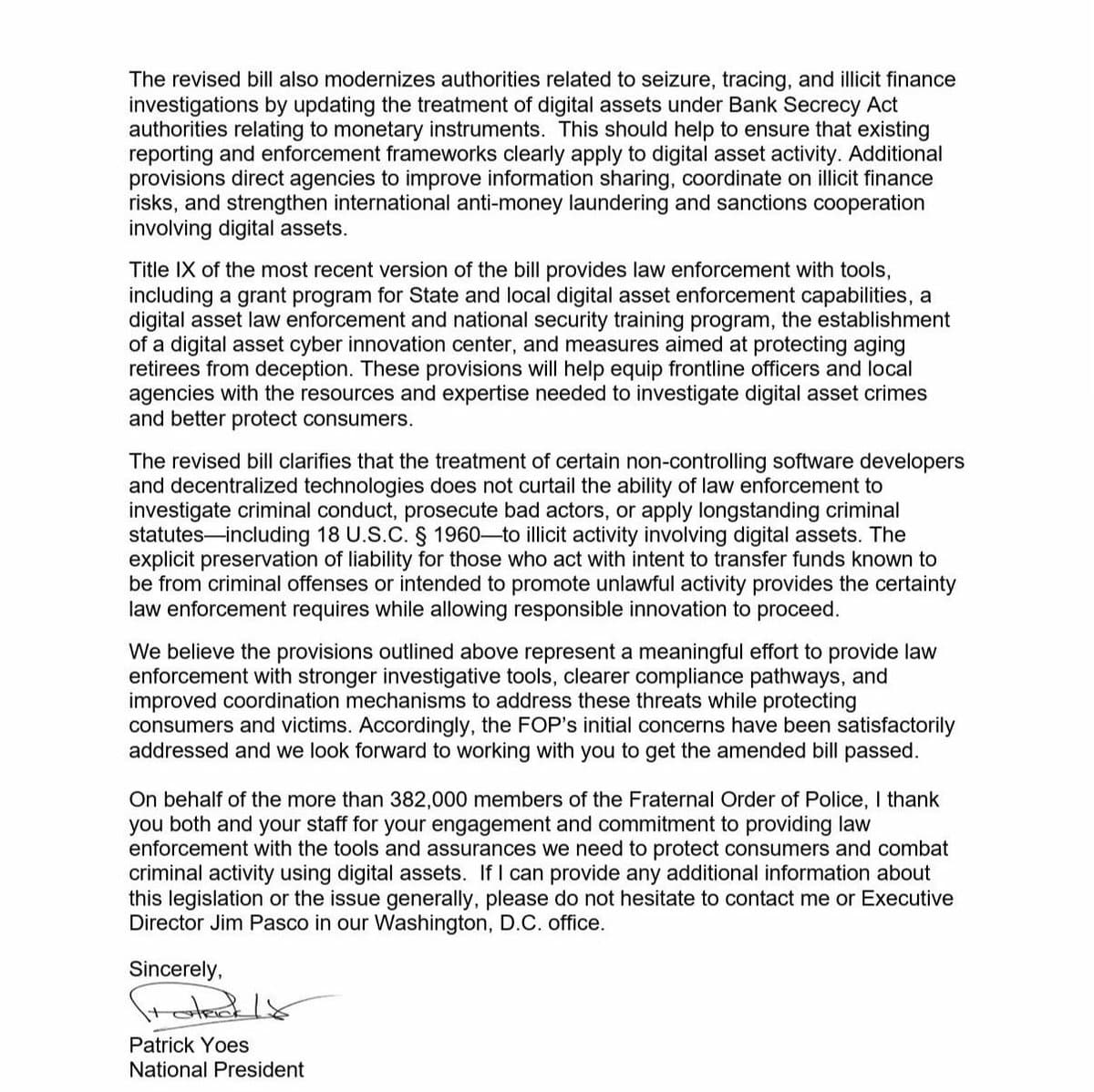
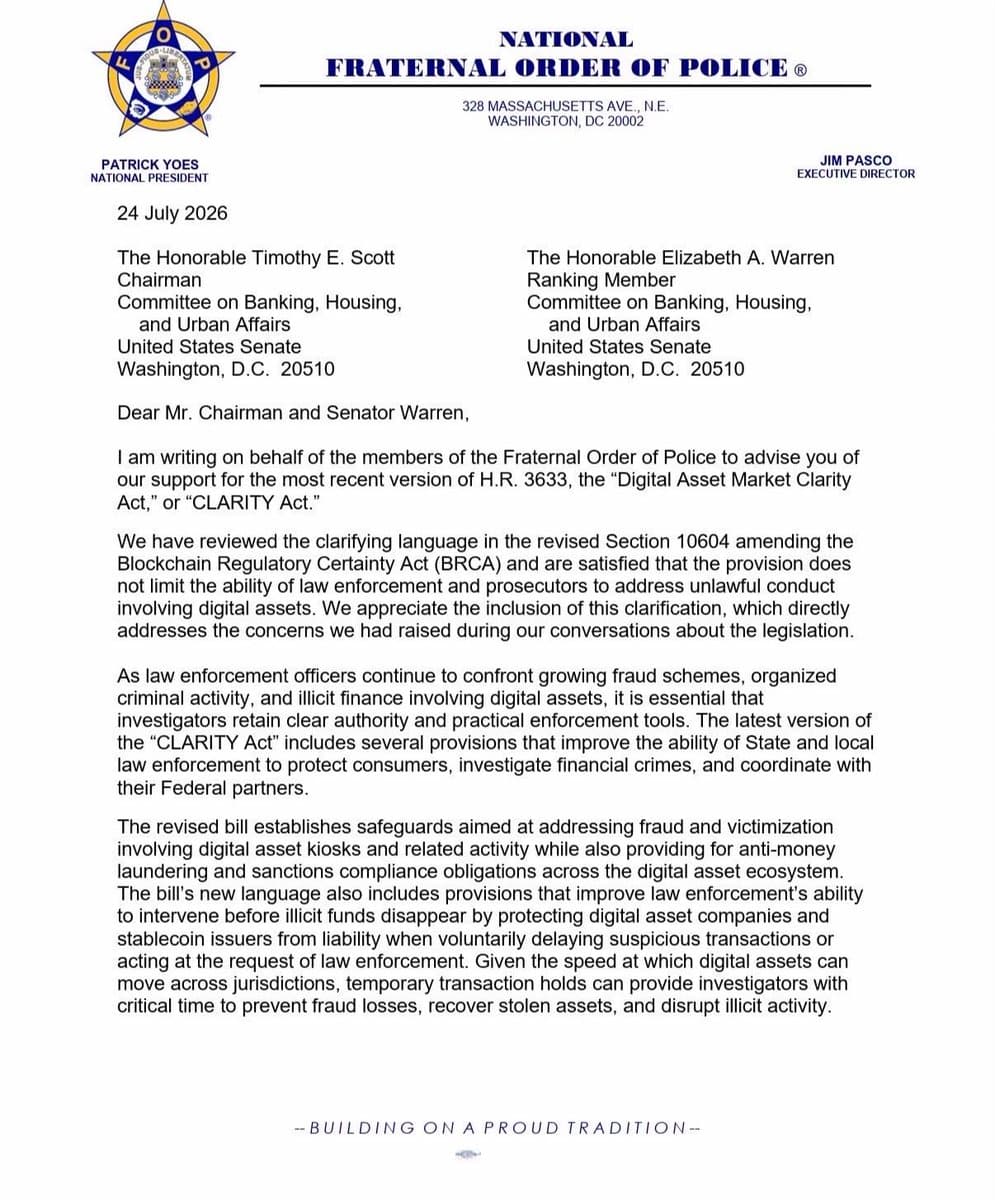
Thank you @SecScottBessent for your support of my Blockchain Regulatory Certainty Act. Republicans in the House, law enforcement stakeholders, and the Trump administration are all in agreement: pass the Clarity Act now!

Treasury Secretary Scott Bessent
@SecScottBessent
More than a year ago, the House passed the Clarity Act.
There’s been progress since — thousands of hours of bipartisan negotiations took place at the staff and Member levels. The Senate Committees on Banking and Agriculture advanced their respective titles. And Senate Republicans produced a floor-ready product that, as I type this, is waiting for a vote.
It’s disappointing — but not surprising — that Senate Democrats are choosing politics on the cusp of a major victory for American leadership. Find another instance in history where Congress, when given the choice, opted to push an industry out of the United States rather than smartly regulate it. American Exceptionalism was once a bipartisan goal; if Clarity fails, I have serious doubts.
These same Democrats — many of whom have taken millions of dollars from the crypto industry — proclaim that Clarity lacks safeguards for consumers and falls short in countering illicit finance. Nothing could be further from the truth. Titles II and III materially uplift regulatory and compliance obligations for digital asset intermediaries, placing them on similar footing with traditional financial institutions. The Blockchain Regulatory Certainty Act — which Washington lobbyists have spun up as a boogeyman for certain groups of prosecutors and law enforcement — does nothing other than codify longstanding Treasury Department policy that’s remained consistent across Administrations: non-custodial builders and developers are not, and have never been, subject to registration obligations under the Bank Secrecy Act. And at this point, major law enforcement trades that once opposed the bill, including the Fraternal Order of Police, have now endorsed it.
The Senate needs to vote NOW on this landmark legislation. The truth is that Senate Democrats are afraid to advance the Clarity Act as they fear Senator Warren and the “Anti-Crypto Army” she once promised to build. In the days ahead, Leader Thune will put this theory to the test. Will Senate Democrats be on the side of American Exceptionalism, or will they opt to cede American leadership of a global industry for fear of the bespectacled squirrel’s Left flank?
America will lead or America won’t. It’s not more complicated than that. I believe Satoshi once said it best:
“If you don’t believe me or don’t get it, I don’t have time to try to convince you, sorry.”
Very Pro-CryptoAdd commentary on this stance
Commentary on Stance

Tom Emmer continues to demonstrate why he holds a flawless 100-point crypto stance score, this time highlighting support from Treasury Secretary Scott Bessent to push the Clarity Act and the Blockchain Regulatory Certainty Act over the finish line in the Senate.
This statement earns a definitive 100 because it fiercely defends one of the most critical distinctions in digital asset policy: the fundamental difference between custodial intermediaries and non-custodial builders.
To provide some context, the Clarity Act passed the House over a year ago but has faced partisan gridlock in the Senate, largely driven by an anti-crypto faction claiming the legislation lacks safeguards against illicit finance. Emmer and Bessent are setting the record straight. They point out that while the legislation absolutely implements standard compliance and regulatory obligations for intermediaries—placing them on similar footing with traditional financial institutions—it importantly includes the Blockchain Regulatory Certainty Act.
This specific inclusion is a massive necessity for the survival of the crypto ecosystem in America. It explicitly codifies that non-custodial builders, open-source developers, and network validators are not subject to registration obligations under the Bank Secrecy Act. If you do not custody customer funds, you should not be regulated like a bank or forced into impossible surveillance and reporting mandates. Attempting to force node operators or software developers to comply with money transmitter laws would effectively ban permissionless networks in the United States. Emmer’s unwavering commitment to shielding foundational technology from hostile regulatory overreach is the very definition of enabling clarity.
Furthermore, the fact that major law enforcement organizations like the Fraternal Order of Police have now endorsed this framework completely dismantles the tired narrative that crypto is inherently for criminals. Good rules are part of a mature market, and recognizing that standard oversight for custodial businesses can exist alongside robust protections for builders is key.
By loudly advocating for this necessary legislative clarity and calling out the political theater stalling it, Emmer is fighting to ensure the right to build, innovate, and self-custody remains protected in the United States.


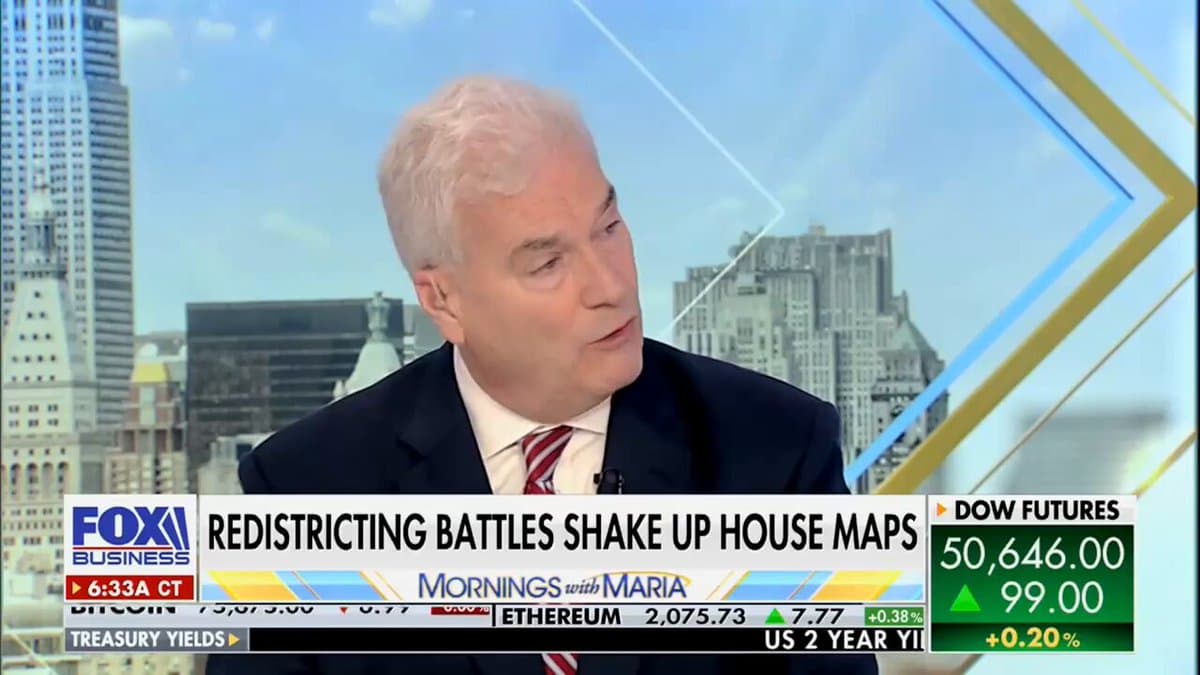

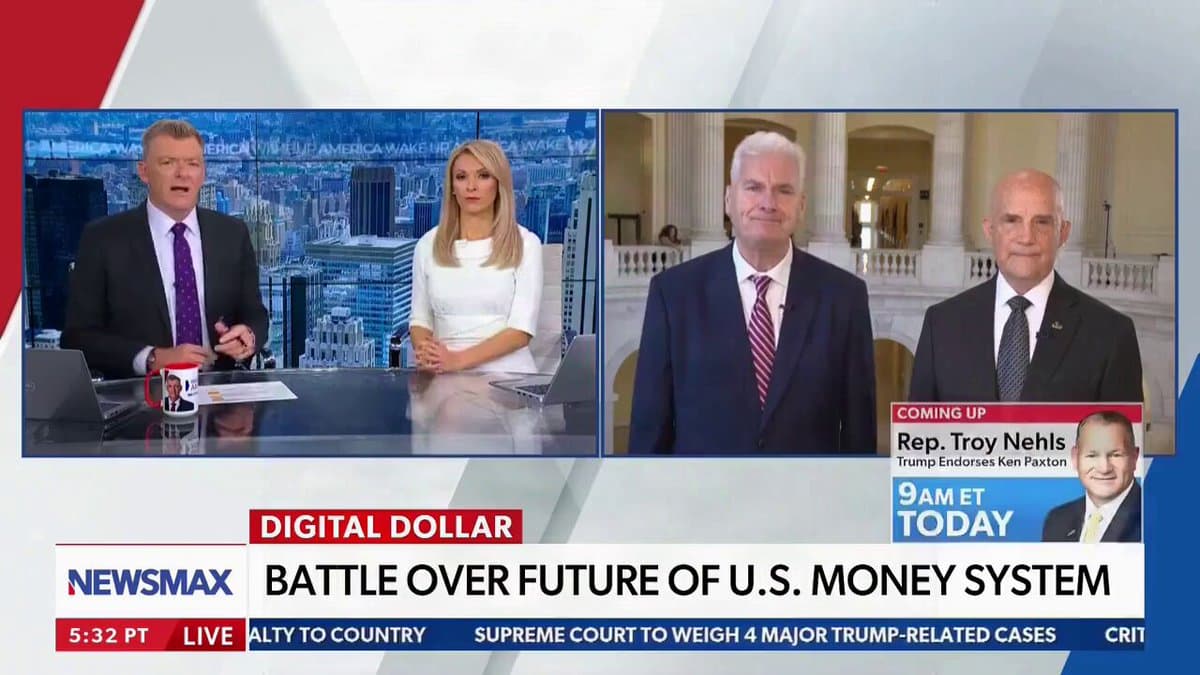


 “We don’t have to guess how they would use it. All you got to do is look at the digital yuan; the Chinese are already using it. They surveil their citizens, they’re building scores based on your habits, what you get to buy at the grocery store, how you travel.
This is the ULTIMATE form of surveillance … a Central Bank Digital Currency will give the leftists in this country exactly what they want!”
“We don’t have to guess how they would use it. All you got to do is look at the digital yuan; the Chinese are already using it. They surveil their citizens, they’re building scores based on your habits, what you get to buy at the grocery store, how you travel.
This is the ULTIMATE form of surveillance … a Central Bank Digital Currency will give the leftists in this country exactly what they want!”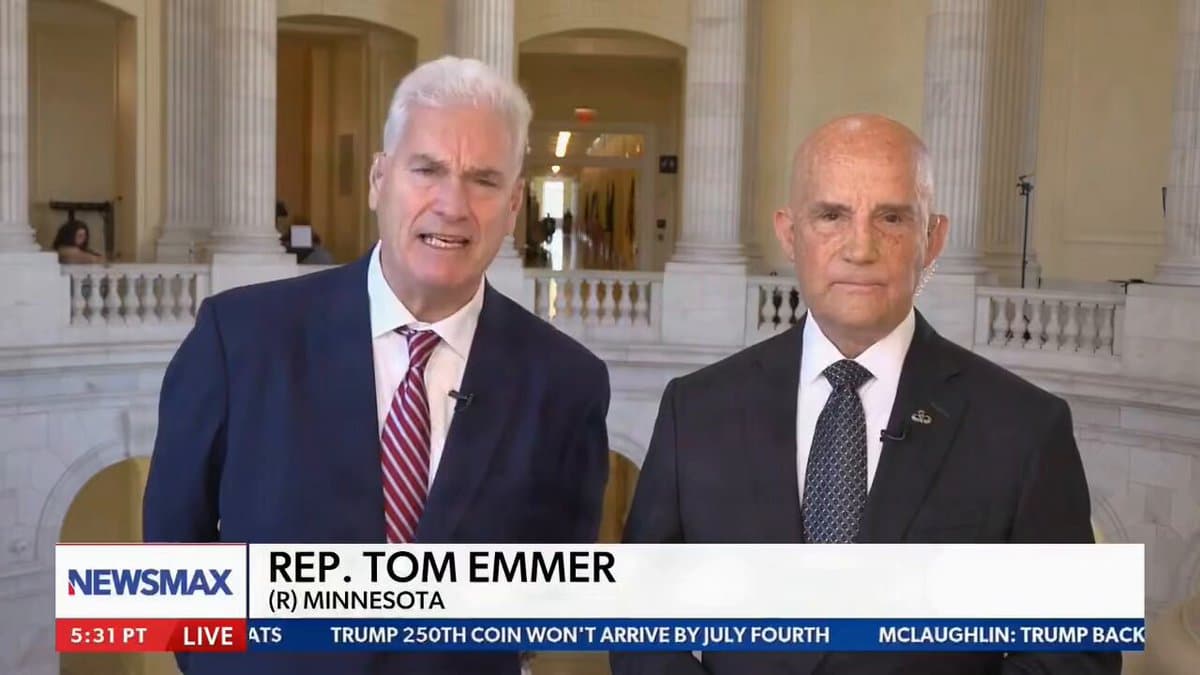


 CONFIRMED
Kevin Warsh has been confirmed as the Chairman of the Board of Governors of the Federal Reserve System! https://t.co/7oXyTd0hgD
CONFIRMED
Kevin Warsh has been confirmed as the Chairman of the Board of Governors of the Federal Reserve System! https://t.co/7oXyTd0hgD

 h
h