Is The Bill "GUARD Act" Crypto Friendly?
Description:
This legislation permits state, local, and tribal law enforcement agencies to utilize federal grant money to investigate financial fraud, elder exploitation, and confidence scams like "pig butchering," which frequently involve cryptocurrency. It authorizes the use of these funds for purchasing blockchain intelligence software and training personnel on blockchain tracing tools. Additionally, the bill directs federal agencies to assist local law enforcement in utilizing blockchain analytics and requires a comprehensive federal report on the scale and impact of these scams.
Date Introduced:
Status:
Introduced and Sponsored
Stance on Crypto:
Neutral on Crypto
Links:
Primary Commentary:
Primary Commentary:
The legislation represents a standard law enforcement and market abuse enforcement measure, focusing on equipping local and state authorities with the tools necessary to combat crypto-related fraud. By explicitly allowing federal grant funds to be used for blockchain intelligence software and training, the bill acknowledges the utility of blockchain analytics in tracing illicit transactions.
Historically, the crypto industry has supported targeted efforts to root out bad actors like "pig butchering" scammers, as these fraudulent schemes damage public trust and invite hostile regulatory crackdowns. Because blockchain ledgers are public and immutable, providing law enforcement with better tracing tools leverages the native transparency of crypto networks rather than restricting the technology itself.
Critically, the bill does not impose new compliance mandates, reporting burdens, or transaction monitoring requirements on everyday crypto users, developers, or decentralized protocols. It also refrains from proposing restrictive bans or expanding financial surveillance over self-custody wallets. Instead, it focuses on public-sector training and inter-agency technical assistance. Consequently, this bill represents a neutral development for the cryptocurrency industry, balancing legitimate crime-fighting capabilities against the preservation of a permissionless tech ecosystem.
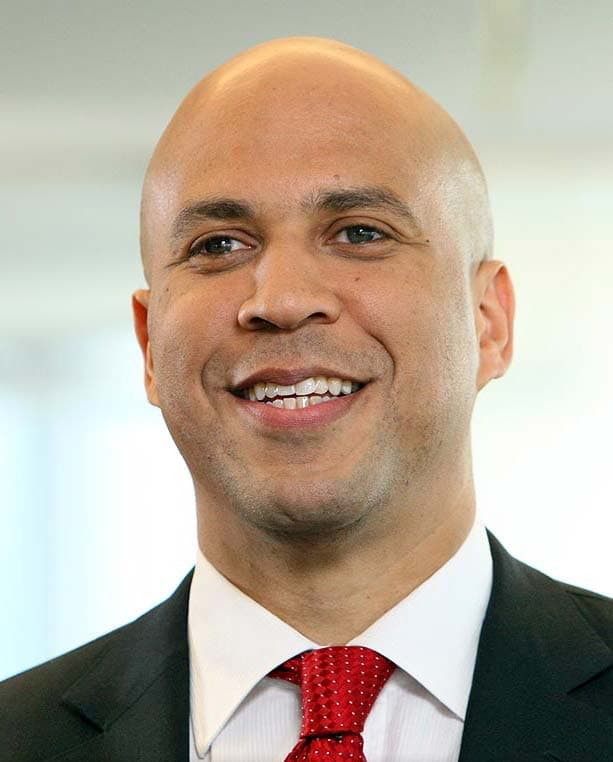
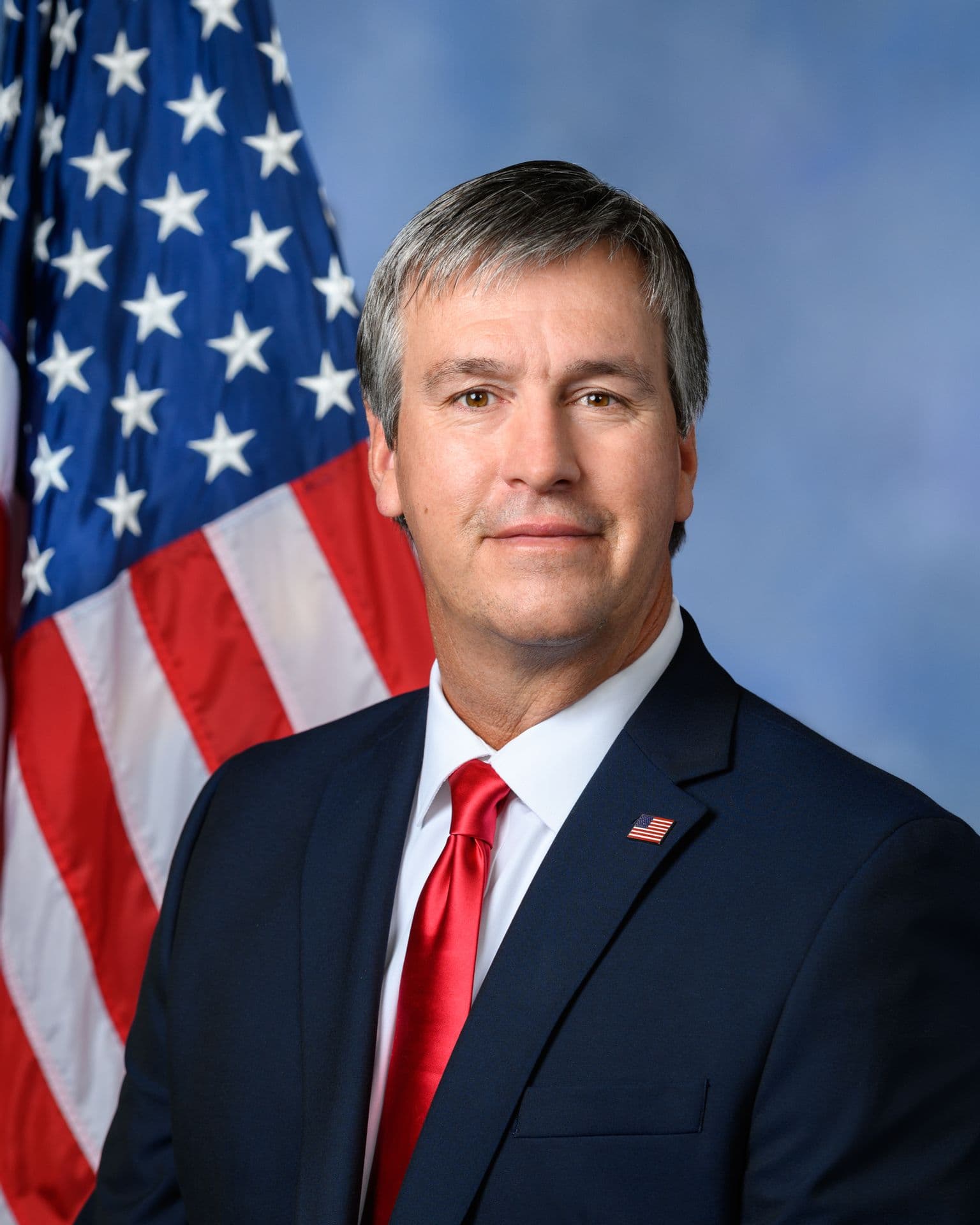
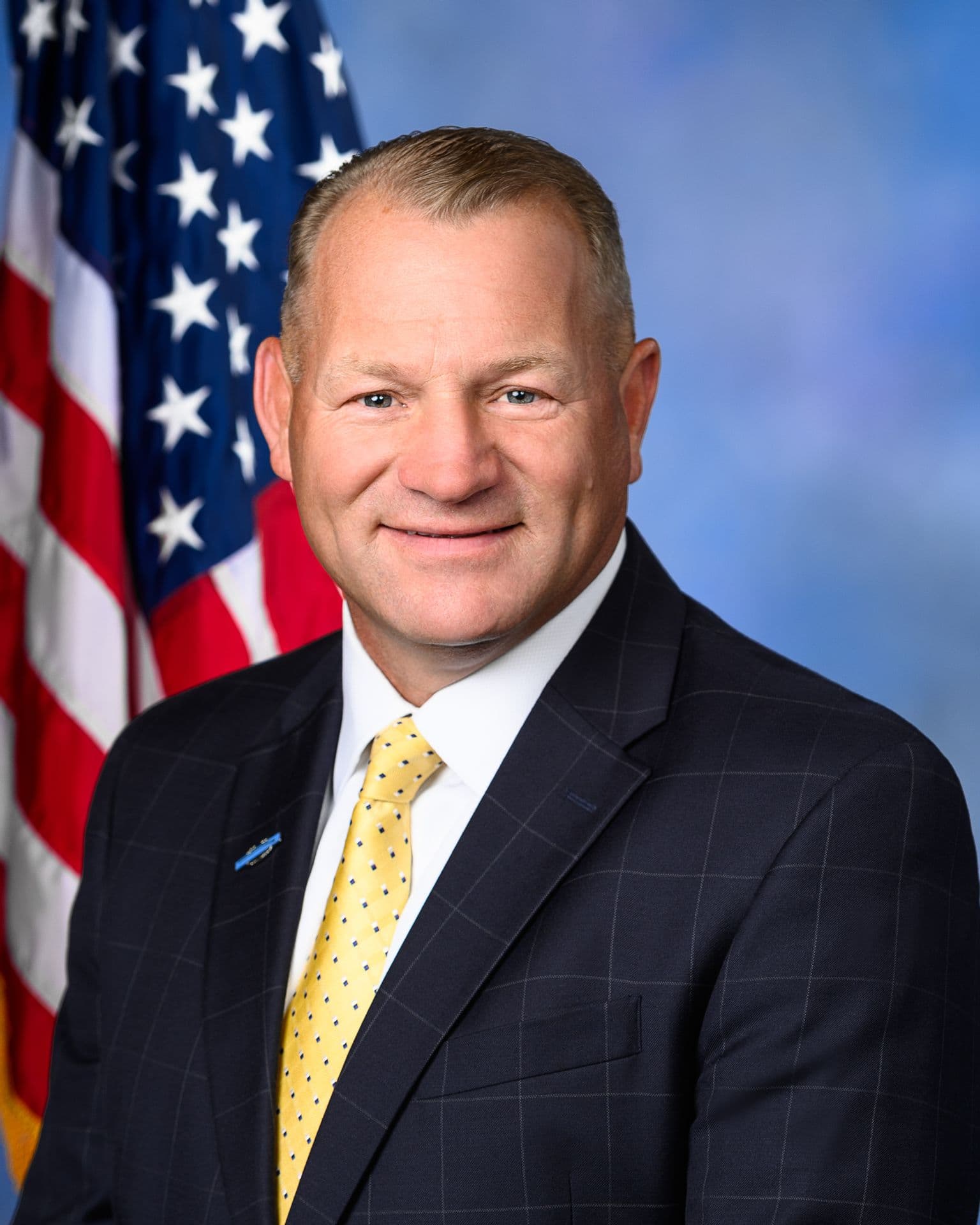
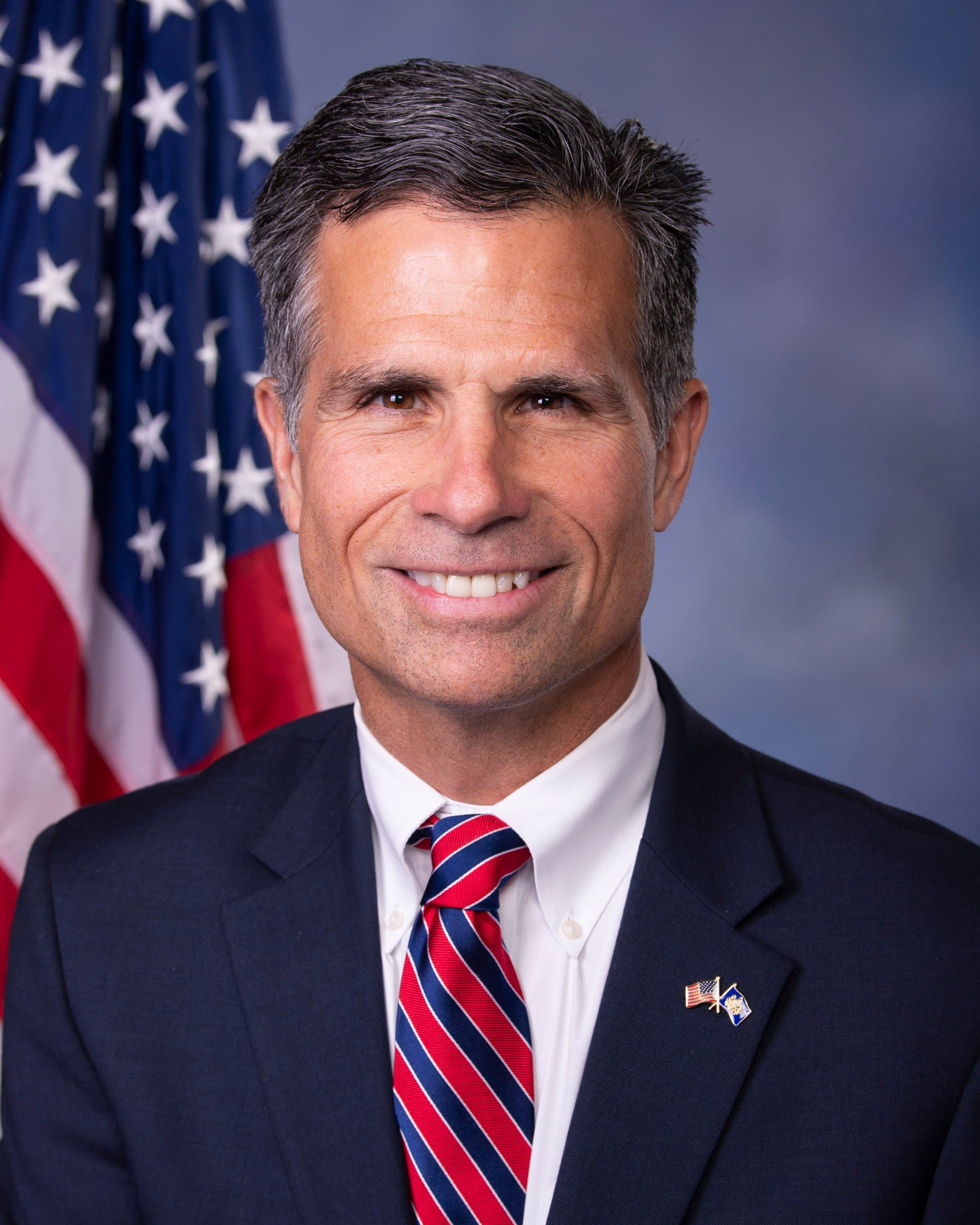
Congress members who support this bill


Cosponsors
Democrats


































Additional Commentary
No additional commentary for this bill yet